
Research
Our Research Fields Encompass:
Environmental Engineering
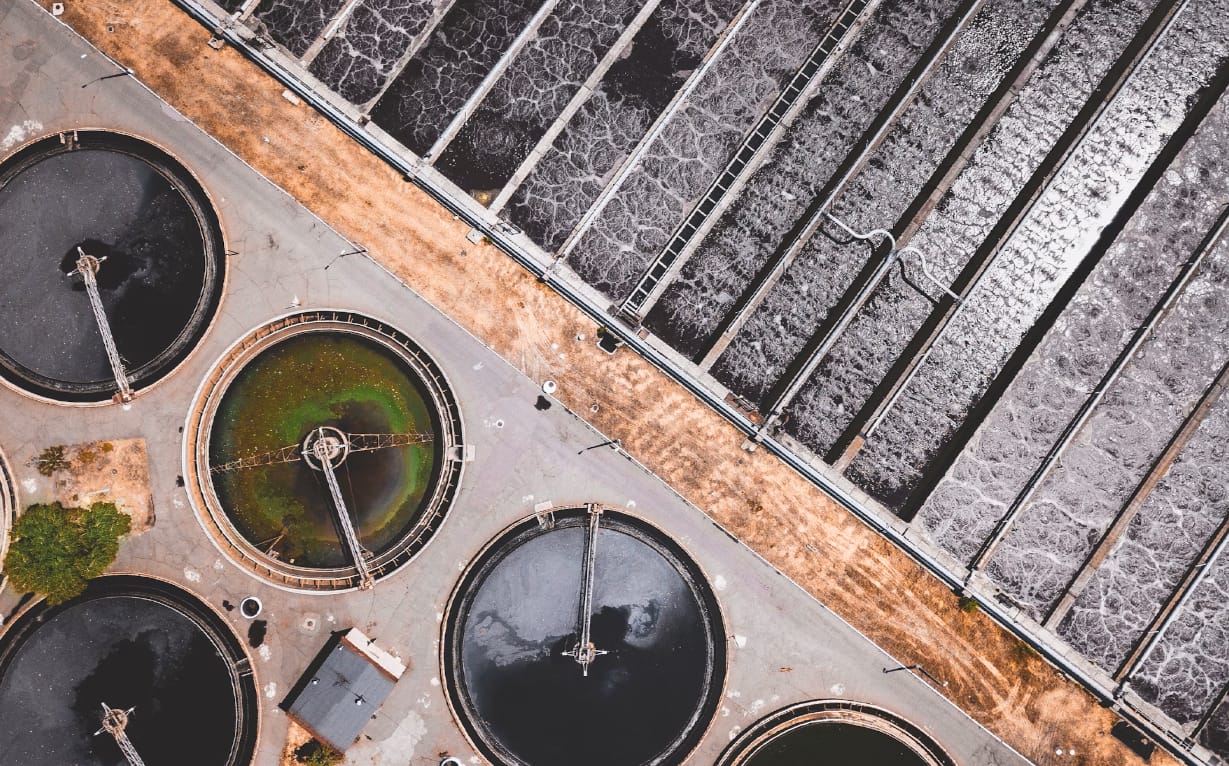
Environmental engineering provides methods and facilities for wastewater management, water and air purification, waste disposal and recycling, and other purposes pertaining to human health and benefit.
Projects in environmental engineering involve the treatment and distribution of drinking water; the collection, treatment, and disposal of wastewater; the control of air pollution and noise pollution; municipal solid-waste management and hazardous-waste management; the cleanup of hazardous-waste sites; and the preparation of environmental assessments, audits, and impact studies. Mathematical modeling and computer analysis are widely used to evaluate and design the systems required for such tasks. Chemical and mechanical engineers may also be involved in the process.
Chemical Engineering
Chemical engineering is a branch of engineering that deals with the processes (production, transformation, transportation and usage) necessary to produce useful materials and energy.
Chemical engineering occupies a unique position at the interface between molecular sciences and engineering. Intimately linked with the fundamental subjects of chemistry, biology, mathematics, and physics — and in close collaboration with fellow engineering disciplines like materials science, computer science, and mechanical, electrical, and civil and environmental engineering — chemical engineering offers unparalleled opportunities to do great things.

Biomass Conversion
Biomass conversion refers to the biological processes that decompose biomass into useful energy forms, such as bioethanol and renewable natural gas, through methods like anaerobic digestion, fermentation, and composting.

Waste Valorization
Waste valorization is an approach that transforms discarded materials into valuable resources. It includes the process of transforming waste materials into valuable products, thereby minimizing waste and maximizing resource efficiency.It involves processes that give economic value to waste products or residues, enabling their reuse or recycling to create useful materials. This concept represents a shift from simply disposing of waste to actively converting it into new products, chemicals, fuels, or energy sources.
